New Organic Weed Control is Now Available
If you have been over-run with Dandelions and other weeds, you can REJOICE.
Now that the old weed killers have been taken out of our tool box, weed control is not as easy as it was in the past. Some lawns seem to be less green and more yellow blooms. More yellow than most people can tolerate.
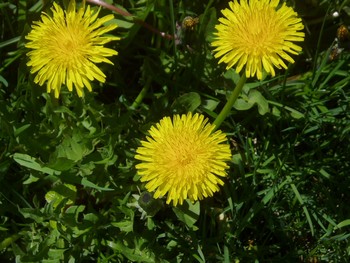
Fiesta™ is 100% natural product that contains chelated iron. Iron occurs naturally in the soil. In fact, plants do require iron in small amounts. However, It has been found that grasses are more tolerant to iron than many broadleaf weeds. These weeds are damaged by a higher amount of iron that does not injure the grass plants. Susceptible plants include dandelion, plantain, clover, chickweed and many others, including moss.
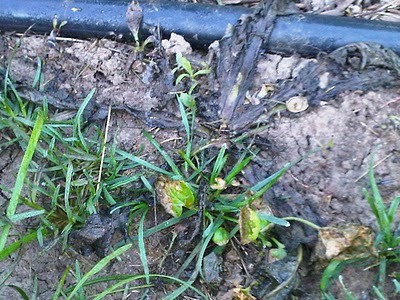
Fiesta starts to work almost immediately. Weeds turn black, and the leaves shrivel and die within days. Children and pets may use the lawn as soon as the treatment has dried. There is no unpleasant odour.

Here are the benefits that FIESTA™ Lawn Weed Killer can offer:
• FIESTA™ works fast, starting within hours and killing weeds within days
• Kills a wide variety of broadleaf lawn weeds & moss
• Derived from iron, which naturally occurs in the soil
• Very safe - children & pets can use lawns once the spray is dried
• Water based - has no unpleasant odour
• Rain-fast within hours - no worries about reduced effectiveness
• Works even in cool weather - for early spring or late fall applications
Results from our first season using Fiesta™ are promising. Fiesta is not the same as the old product, but is the best available at this time. We are still learning all ins and outs of this product. It works well on some weeds, especially young ones. Some are controlled, some will re-grow, some will take more than one application. Some weeds are showing some stubbornness.
Fiesta, if used in conjunction with a comprehensive lawn program will reduce your weeds. Our customers have been pleased with the results.
Call us today to order a lawn care program and have your dandelions and weeds treated with this exciting new, natural weed control product. or Request a quote online.
NOTE- Fiesta iron products may stain concrete, asphalt, decks and fences. We do our best to keep it off any paving or structures, but sometimes weeds are more prevalent at the edges of lawns.
More
Long term results- it is not instant - it takes times